Fence Repair Services Brownsville TX
Expert Fence Repair Across Rio Grande Valley
Hurricane season, subtropical humidity, and salt air exposure create constant fence maintenance challenges across Brownsville and Cameron County. Our repair services address everything from minor cosmetic damage to complete post-hurricane reconstruction, with emergency response capabilities during and immediately following tropical storm events. We diagnose failure causes—wind damage vs wood rot vs termite activity vs corrosion—and implement permanent solutions rather than temporary fixes.
Emergency repair services for hurricane damage, wood rot, and corrosion with same-day response throughout Cameron County.
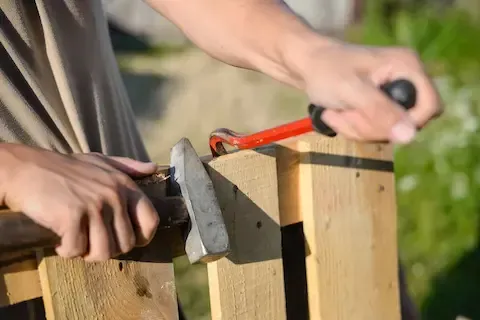
What's Included in our Fence Repair Services service?
Hurricane Wind Damage Assessment
Following hurricane or severe thunderstorm events, we deploy assessment teams throughout Cameron County to evaluate fence damage and provide repair estimates. Common hurricane damage patterns include terminal post failure from wind loading, panel blow-out from inadequate fastening, and complete fence sections collapsed from poor original installation. Our assessment process determines whether repair or replacement provides better long-term value—we never recommend expensive repairs on fencing that will fail again in the next storm cycle. For insured properties, we provide detailed damage documentation compatible with carrier claims processes and coordinate with adjusters. Emergency repairs during hurricane evacuation and immediate post-storm periods receive priority response to secure properties against looting.
Wood Rot Termite Damage Repair
South Texas humidity causes wood fence posts to rot at ground level, typically within 7-10 years depending on wood species and installation quality. Subterranean termites create additional damage that often goes undetected until structural failure occurs. Our repair process includes complete removal of damaged wood, treatment of surrounding soil if termite activity is present, and installation of replacement posts using upgraded pressure-treated materials with higher retention rates. We retrofit existing fences with concrete post collars that prevent future rot at critical ground contact points and recommend transition to steel posts for repeatedly problematic locations with poor drainage or high termite pressure.
Corrosion Repair Protective Coatings
Chain link and wrought iron fencing in coastal Cameron County zones suffers accelerated rust damage from salt air exposure. Surface rust on chain link fabric spreads rapidly; structural posts and rails eventually fail. Our repair approach depends on damage extent—light surface rust receives wire brushing and rust-inhibiting paint; moderate corrosion requires sandblasting and industrial coating; severe structural damage necessitates component replacement. For wrought iron, we offer complete powder coat restoration including rust removal, metalwork repairs, and new factory-quality finish application. Properties within 5 miles of the Gulf receive recommendations for ongoing maintenance intervals that prevent small corrosion issues from becoming expensive failures.
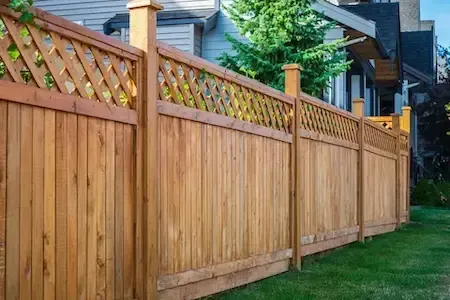
Serving Brownsville and Surrounding Cameron County Communities
Quality Fence Installation Throughout the Rio Grande Valley
When you need professional fence installation in the Rio Grande Valley, we bring Cameron County's most trusted craftsmanship to your property. From coastal Los Fresnos to agricultural La Feria, our team understands the unique demands of South Texas fencing—hurricane wind loads, subtropical humidity, salt air corrosion, and the aesthetic preferences that define border region properties.
Proudly serving Brownsville, Rancho Viejo, Los Fresnos, Harlingen,
Port Isabel and San Benito for 10+ years.
Comprehensive Fence Installation Services in Brownsville
Tailored to Your Needs
Our comprehensive fence installation services address every property type across Brownsville and Cameron County. Whether you're securing a Port of Brownsville industrial facility, enclosing a residential lot near the international bridge, protecting ranch land along the Rio Grande floodplain, or adding curb appeal to a historic downtown property, we deliver installations built for extreme South Texas conditions and designed to last through hurricane seasons.
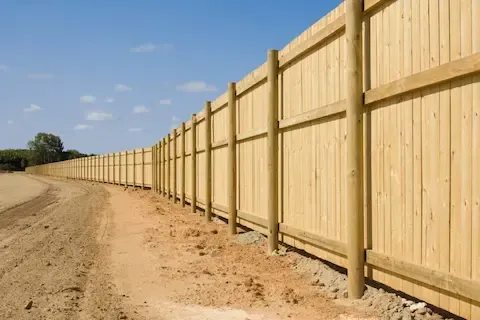
Expert wood fence installation using hurricane-rated construction and humidity-resistant materials selected specifically for Rio Grande Valley climate conditions.
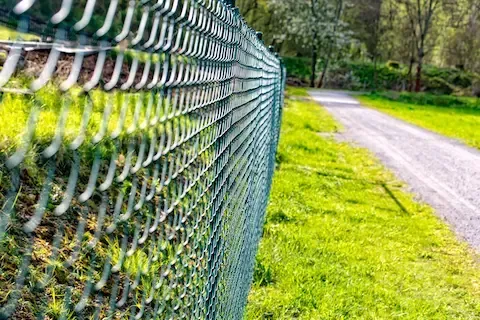
Commercial-grade chain link fence installation for industrial properties, securing facilities with corrosion-resistant materials engineered for coastal salt air exposure.
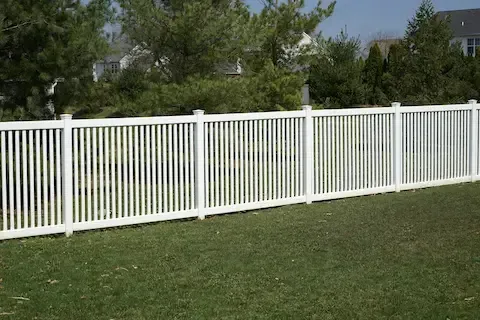
Low-maintenance vinyl fence installation offering superior UV resistance and thermal expansion engineering for extreme South Texas sun exposure and temperature swings.
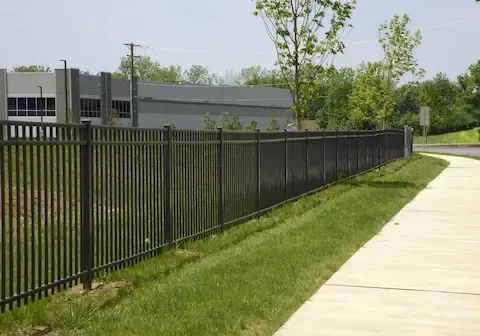
Custom wrought iron fence installation featuring powder-coated corrosion protection and traditional border region architectural styling for elegant property perimeters.
Emergency fence repair services addressing hurricane damage, wood rot, corrosion failure, and structural issues with same-day response throughout Cameron County.
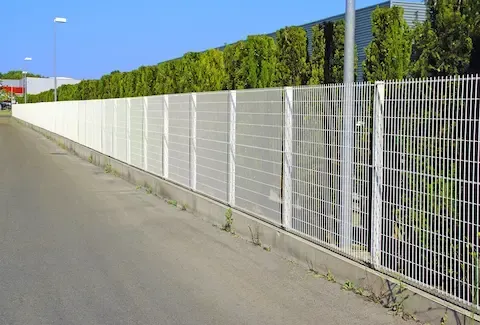
Industrial-grade commercial fence installation for warehouses, manufacturing facilities, and Port of Brownsville properties requiring federal security compliance.
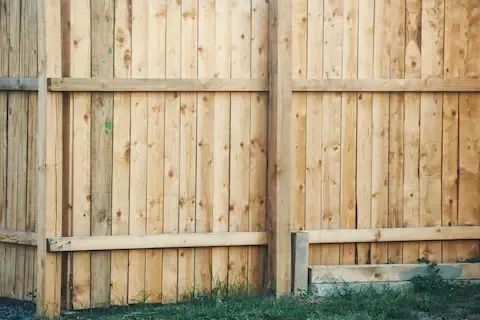
Solid privacy fence installation providing complete visual screening with wind-resistant design engineered for Cameron County hurricane exposure and building codes.
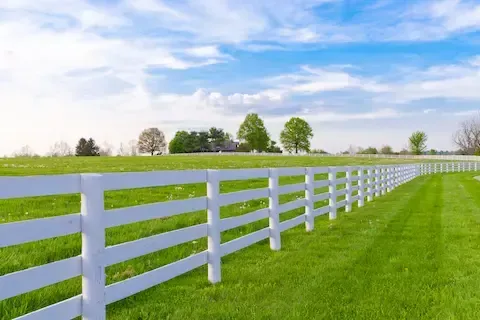
Agricultural fencing installation for Cameron County ranches and farms, featuring livestock containment systems and property boundary fencing built for South Texas conditions.
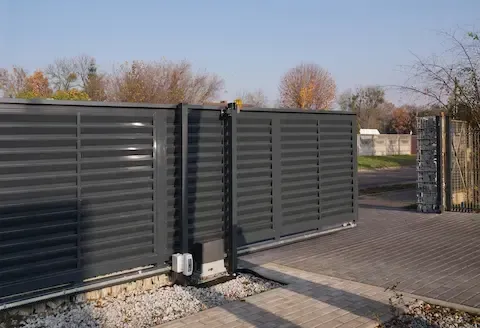
Automated gate system installation with hurricane-rated motors and salt-air corrosion protection for residential and commercial properties throughout Cameron County.
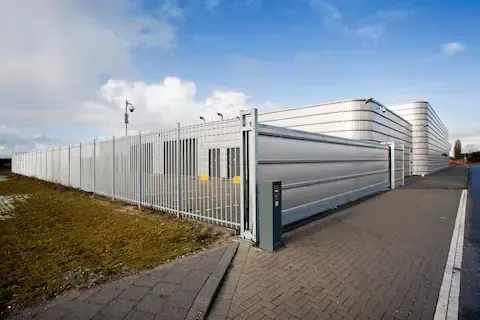
High-security perimeter fencing with anti-climb features and layered protection systems designed for border region properties requiring enhanced security measures.
Frequently Asked Questions
Fence Installation can be complex, and we’re here to provide answers to common questions. Here are some frequently asked questions from our clients.
Frequently Asked Questions about Fence Contractor
What fence materials last longest in Brownsville's climate?
Brownsville's subtropical climate with high humidity, salt air exposure, and hurricane risk makes material selection critical. Vinyl fencing with UV stabilizers performs best for maintenance-free longevity, typically 25+ years. Aluminum and powder-coated wrought iron last 20+ years with minimal maintenance. Pressure-treated wood lasts 12-15 years but requires annual sealing. Cedar weathers naturally but typically needs replacement within 10-12 years. Chain link longevity depends on coating—vinyl-coated lasts 15-20 years while galvanized may rust within 5-7 years in coastal zones. For properties within 5 miles of the Gulf, upgrade all materials to marine-grade specifications.
Do I need a permit to install a fence in Brownsville?
Most fence installations in Brownsville city limits require building permits. Residential fences over 6 feet always require permits; fences under 6 feet typically don't need permits in rear/side yards but do need permits in front yards. Commercial and industrial fencing always requires permits regardless of height. Properties in historic districts need additional architectural review. Properties outside city limits in unincorporated Cameron County generally don't require permits but must still comply with setback requirements. HOA approvals may be required separate from city permits. We handle all permit applications and ensure installations meet current codes including wind load requirements and setback regulations.
How deep do fence posts need to be in Cameron County?
Cameron County building codes require fence posts embedded minimum 1/3 of above-ground height, which typically means 24-30 inches for standard 6-foot residential fencing. However, hurricane wind load requirements effectively mandate 36 inches minimum for most installations. Coastal zone properties need 42-inch embedment for enhanced wind resistance. Sandy soils require deeper posts than clay—we adjust based on soil testing. Posts must be set in concrete in all cases; backfill-only installations fail rapidly during wind events. For commercial security fencing or gates, posts often require 48-inch depth with larger diameter concrete footings to resist lateral loads.
What's the best fence for hurricane protection?
No fence completely protects property during major hurricanes, but engineering and material choices significantly affect survival rates. Chain link performs best—wind passes through mesh, and proper installation with reinforced posts withstands Category 3 winds. Wrought iron picket fencing with adequate spacing allows wind passage while maintaining security. Privacy fencing creates maximum wind load—shadow-box or board-on-board designs allowing some wind passage survive better than solid panels. Vinyl fencing is lightest and most likely to blow away without reinforced posts. For hurricane-prone areas, we recommend installing fences with removable panels in sections facing prevailing wind direction, allowing deliberate removal before major storms to prevent complete destruction.
How much does fence installation cost in Brownsville?
Brownsville fence installation costs vary significantly by material, height, and site conditions. Chain link typically runs $12-18 per linear foot installed; wood privacy fencing $20-30 per foot; vinyl privacy $25-40 per foot; wrought iron $30-60+ per foot depending on design complexity. These prices include concrete post installation meeting Cameron County wind load requirements. Add 20-30% for coastal zone installations requiring upgraded corrosion protection. Difficult access, rocky soil requiring augering, and removal of existing fencing add to costs. Automated gates add $2,500-6,000 depending on size and access control features. We provide detailed written estimates with material specifications and installation scope.
Can I install a fence on the property line?
Texas property law generally allows fencing on property lines, but practical and legal considerations require careful attention. You must first confirm actual property line location through survey—fencing based on assumptions often leads to disputes. If adjacent property owner agrees to share cost, a boundary line fence becomes jointly owned and both parties are responsible for maintenance. Without written agreement, fence becomes your sole responsibility even if on the line. Some municipalities require minimum setbacks (commonly 2-4 inches) from property lines. Best practice: obtain survey confirming boundaries, discuss fence placement with neighbors before installation, and consider setting fence 6-12 inches inside your property line to avoid any disputes. We coordinate with surveyors and help navigate neighbor discussions.
Frequently Asked Questions about Fence Repair Services
How quickly can you repair hurricane fence damage?
Hurricane damage response time depends on storm severity and regional impact. For localized storm damage affecting individual properties, we provide same-day or next-day assessment and can complete most residential repairs within 3-5 days. For major hurricanes causing widespread Cameron County damage, response is systematically prioritized—life safety issues first (fencing creating hazards), security problems (collapsed fencing leaving property exposed), then cosmetic damage. Major regional events can create 2-4 week backlog before non-emergency repairs begin. We maintain priority service for clients with pre-existing maintenance contracts. Immediately after hurricane evacuation ends, call for damage assessment—the sooner you're in our schedule, the faster repair occurs. We provide emergency temporary repairs (securing partially collapsed sections) within 48 hours to prevent further damage and secure property until permanent reconstruction occurs.
Will insurance cover fence repair in Brownsville?
Homeowners insurance typically covers fence damage from named perils including hurricanes, wind storms, falling trees, and vehicle impacts, subject to your policy's deductible and coverage limits. Wind damage from hurricanes is specifically covered in most Texas policies (unlike flood damage which requires separate flood insurance). Most policies limit fence coverage to $1,000-2,000 or percentage of dwelling coverage. Normal wear, rot, and deterioration aren't covered—only sudden damage from covered events. For insurance claims, document damage immediately with photos from multiple angles showing full extent. Get professional assessment including cost estimate with material specifications and installation scope. Don't make permanent repairs before adjuster inspection unless necessary to prevent further damage. We provide detailed documentation compatible with insurance claim requirements and can coordinate directly with adjusters. Understand that insurance covers repair to same type/quality, not upgrade to premium materials.
Should I repair or replace damaged fencing?
Repair vs replacement decision depends on damage extent, fence age, and long-term cost analysis. Repair makes sense when: damage is localized to small section, fence is less than half through expected lifespan, and remaining fence is structurally sound. Replace when: damage exceeds 30% of total fence, fence is near end of expected lifespan anyway, or multiple repairs indicate systemic failure. Example: 12-year-old wood fence with hurricane damage to 40% of sections should be replaced—repairing this much while leaving 12-year-old wood elsewhere just delays inevitable failure of older sections within 2-3 years. Conversely, 4-year-old vinyl fence with one section damaged from fallen tree should definitely be repaired. We provide honest assessment of cost-effectiveness—sometimes spending $1,500 repairing fence that needs $4,000 replacement within 2 years is poor value. Consider upgrade during replacement—if replacing anyway, spending additional 30% for superior materials that last twice as long often makes economic sense.
What causes wood fence posts to rot in South Texas?
Wood fence posts rot at ground level in South Texas through combination of factors. Constant moisture at soil interface creates ideal conditions for rot-causing fungi—posts act as wicks pulling moisture up from soil. Cameron County clay soils hold moisture longer than sandy soils, accelerating rot in poorly drained areas. Posts in standing water or areas without proper drainage fail fastest—expect rot within 5-7 years. Even pressure-treated posts rated for ground contact eventually rot—chemical treatments delay but don't prevent deterioration. Treatment retention varies by manufacturer and treatment process quality. Concrete post collars help but don't eliminate rot—they raise vulnerable zone above grade where inspection detects problems earlier. Termites compound wood rot by consuming moisture-damaged wood at soil level, accelerating structural failure. Prevention includes: using highest-grade pressure-treated posts available (.60+ CCA retention), installing proper drainage, and considering steel posts in locations with repeated rot issues or poor drainage that can't be corrected.
How fast can you respond to storm fence damage in Brownsville?
After a Gulf storm we deploy assessment teams across Cameron County; localized damage is often handled within days, though widespread events book two to four weeks out. Call early to hold your place in the queue. Call (956) 275-8914 for a free on-site estimate.
Should I repair or replace my storm-damaged fence?
If a storm took out more than about 40 percent of the fence line, full replacement usually costs less per foot than piecemeal repairs once mobilization is factored in. We give you both numbers so you can choose. Call (956) 275-8914 for a free on-site estimate.
Will homeowners insurance cover my fence repair?
Most Texas policies cover named-storm and wind damage, but coastal wind deductibles are often a percentage of home value, so smaller repairs may fall below it. Document damage with photos before cleanup - we help with that. Call (956) 275-8914 for a free on-site estimate.
What does storm fence repair cost in Brownsville?
Single wood panel replacement runs about $150 to $350; post reset $200 to $450; full 8-to-10-foot section $400 to $900 for wood. We itemize labor, materials, and post concrete so you can compare bids fairly. Call (956) 275-8914 for a free on-site estimate.
Why do fence posts rot at the base in South Texas?
Brownsville's humidity and clay soil hold moisture at ground level, rotting wood posts within 7 to 10 years. We reset with concrete embedment and proper drainage to break that cycle on repair. Call (956) 275-8914 for a free on-site estimate.
Can you do a temporary fix until a full repair?
Yes. If part of the fence is still stable we can brace or secure loose sections to protect against further damage while you wait for a scheduled repair. Call and we'll advise what's safe. Call (956) 275-8914 for a free on-site estimate.
Get Fence Repair Estimate
What Our Satisfied Clients Have to Say About Brownsville Fence Contractors
We pride ourselves on delivering great results and experiences for each client. Hear directly from home and business owners who’ve trusted us with their Fence Installation needs.

After Hurricane Hanna destroyed our old wood fence, we needed something that would survive the next storm. They installed reinforced vinyl with proper embedment and engineering that gives us confidence. Two years later through several severe thunderstorms, the fence hasn't moved an inch. Finally have fencing built for South Texas reality.
Robert M., Los Fresnos
Our Port facility needed security fencing meeting federal MARSEC requirements with specific anti-climb features and integration with existing surveillance. Their team understood the regulations, coordinated with port authority throughout installation, and delivered exactly what our operations required without impacting 24/7 cargo handling schedule.
Jennifer K., Port of Brownsville Operations Manager
We've used them for three different properties—residential privacy fence, ranch cattle fencing, and commercial chain link at our warehouse. Every project finished on time, exactly as estimated, with attention to details that matter in this climate. Hard to find contractors who understand Rio Grande Valley conditions and deliver accordingly. Highly recommend their work.
David R., Rancho Viejo
The Trusted Fence Installation Expert Near You
Ready to hear more about expert services at Brownsville Fence Contractors?
Contact us today to receive a detailed, no-obligation quote.
More About Fence Repair Services
We share helpful articles about to answer common questions, explain options, and give a better sense of what to expect. Whether you’re taking care of your own home or responsible for a larger property, these resources are meant to make planning and decision-making a little easier.

Serving Brownsville, Harlingen, Raymondville and the RGV
Mon-Fri, 8am-6pm
