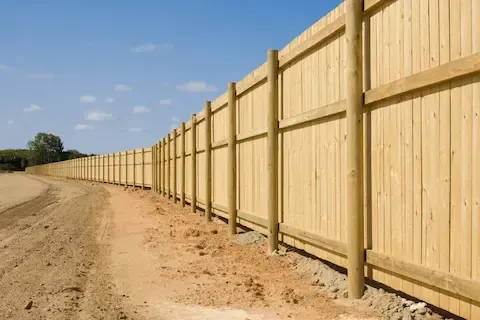
Pressure-Treated Pine Fence Lifespan in Brownsville
Pressure-treated pine fencing in Brownsville faces unique challenges that directly impact its lifespan. The combination of Gulf Coast humidity, salt air exposure, and intense Texas sun creates conditions that can either extend or significantly reduce your fence's service life depending on installation quality and maintenance practices.
Understanding Pressure Treatment in Coastal Environments
Pressure-treated pine receives chemical treatment to resist decay and insect damage, but Brownsville's coastal location presents additional considerations. The high humidity levels, averaging 75-85% year-round, can accelerate moisture absorption even in treated lumber. Salt air from the Gulf of Mexico, approximately 20 miles away, introduces corrosive elements that affect both the wood and metal fasteners.
The treatment process typically uses copper-based preservatives that provide 15-20 years of protection under normal conditions. However, Brownsville's environment requires understanding how these treatments perform under constant moisture exposure and temperature fluctuations that can range from the 40s in winter to over 100°F in summer.
Quality pressure-treated pine should display a greenish tint from the copper treatment and carry appropriate grade stamps indicating the retention level of preservatives. Higher retention levels provide better protection but come at increased cost.
Expected Lifespan Factors
A properly installed pressure-treated pine fence in Brownsville typically lasts 12-18 years, though several factors influence this range. Ground contact represents the primary concern, as posts set in soil face moisture wicking and potential rot at the soil line. Posts installed with proper drainage and gravel bases can extend lifespan to the upper range.
Fence orientation affects longevity significantly. South-facing sections receive intense sun exposure that can cause warping and splitting, while north-facing areas may retain moisture longer, promoting decay. Wind exposure from Gulf weather patterns also impacts structural integrity over time.
Installation quality plays a crucial role in lifespan expectations. Wood Fence Installation requires proper spacing, adequate drainage around posts, and appropriate fastener selection to resist coastal corrosion. Poor installation can reduce lifespan to 8-10 years even with quality materials.
Maintenance Impact on Service Life
Regular maintenance can extend pressure-treated pine fence lifespan beyond typical expectations. Annual cleaning removes salt residue and prevents moisture retention in crevices. Applying wood sealers every 2-3 years provides additional protection against moisture penetration and UV damage.
Prompt repair of loose boards, damaged posts, or failing fasteners prevents minor issues from becoming major structural problems. Vegetation management around the fence base improves air circulation and reduces moisture retention.
Environmental Challenges Specific to Brownsville
Brownsville's location in the Rio Grande Valley creates specific challenges for pressure-treated pine fencing. The subtropical climate maintains high humidity levels throughout most of the year, with brief dry periods that can cause rapid expansion and contraction cycles in lumber.
Hurricane season brings additional concerns, with high winds and flooding potential that can damage or destroy fencing. Storm surge and flooding introduce saltwater contact that accelerates corrosion of fasteners and can compromise wood treatment effectiveness.
The area's clay-heavy soil retains moisture around fence posts longer than sandy soils, increasing the risk of post rot at ground level. Proper drainage becomes essential for achieving expected lifespan in these soil conditions.
Insect and Pest Considerations
South Texas hosts various wood-damaging insects that pressure treatment helps control. Termites remain active year-round in the warm climate, though treated pine provides good resistance when properly maintained. Carpenter ants and powder post beetles can also affect untreated areas or damage that exposes raw wood.
Regular inspection for insect activity helps identify problems before significant damage occurs. Signs include small holes, sawdust accumulation, or hollow-sounding wood when tapped.
Replacement Indicators
Several signs indicate when pressure-treated pine fencing approaches replacement time. Post wobbling or leaning suggests structural failure at ground level, often from rot or soil shifting. Boards that consistently warp, crack, or pull away from fasteners indicate material fatigue.
Increased maintenance frequency signals approaching end-of-life. When repairs become frequent or extensive sections require board replacement, full fence replacement often proves more economical than ongoing repairs.
Color changes from the original treated appearance to gray weathering are normal, but soft spots, crumbling wood, or fungal growth indicate deterioration beyond surface weathering. For detailed information about replacement options, review our wood fence overview to understand current material and installation approaches.
Cost-Benefit Analysis
Understanding replacement timing helps budget for fence renewal. A fence approaching 15 years in Brownsville's climate typically requires increasing maintenance investment that may exceed the cost benefit compared to replacement with modern materials and installation techniques.
New installation often includes improved drainage methods, better fastener materials, and updated treatment standards that can extend lifespan beyond original expectations.
Professional Assessment Recommendations
Professional evaluation becomes valuable around the 10-12 year mark for pressure-treated pine fencing in Brownsville. Experienced contractors can identify structural issues not obvious to property owners and recommend whether selective repairs or full replacement provide better value.
Professional assessment includes checking post stability, evaluating board condition, inspecting fastener integrity, and assessing overall structural soundness. This evaluation helps determine remaining serviceable life and plan appropriate maintenance or replacement strategies.
Quality installation and regular maintenance can help pressure-treated pine fencing reach or exceed expected lifespan in Brownsville's challenging coastal environment, providing reliable property boundary definition and security for many years.
