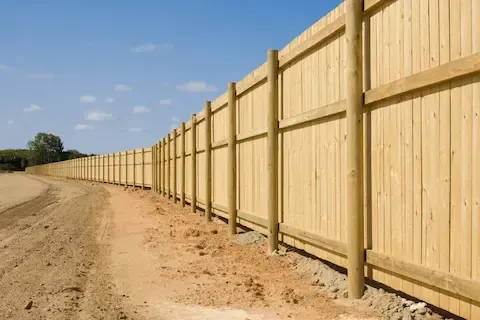
Wood Fence Installation in Brownsville Texas Homes
Installing a wood fence around your Brownsville home requires careful consideration of local climate conditions, soil characteristics, and municipal requirements. The Gulf Coast humidity and sandy soil composition present unique challenges that affect material selection, installation techniques, and long-term maintenance requirements for residential fencing projects.
Wood Species Selection for Brownsville Climate
Cedar remains the premier choice for wood fence installation in Brownsville due to its natural resistance to moisture and insects. The high humidity levels throughout the Rio Grande Valley create conditions where untreated pine rapidly deteriorates, making cedar's inherent preservative oils essential for longevity. Red cedar posts typically last 15-20 years in South Texas conditions, while pressure-treated pine may require replacement within 8-12 years.
Southern yellow pine offers a budget-friendly alternative when properly pressure-treated with copper-based preservatives. However, the aggressive termite populations common in Cameron County pose ongoing risks to pine installations. Cedar fencing costs approximately 30-40% more initially but provides superior value through reduced replacement frequency and minimal maintenance requirements.
Cypress represents another viable option for Brownsville installations, particularly for properties near the Brownsville Ship Channel or other high-moisture areas. The wood's natural water resistance makes it suitable for areas with poor drainage or frequent flooding concerns.
Post Installation Depth and Soil Considerations
Brownsville's predominantly sandy soil requires deeper post installation than typical clay-based regions. Standard installations should reach 30-36 inches below ground level to ensure adequate stability against wind loads. Properties within five miles of the Gulf of Mexico may require 42-inch depths due to increased wind exposure and soil shifting during heavy rainfall events.
The sandy composition allows for easier digging but provides less lateral support around fence posts. Concrete footings become essential for long-term stability, with a minimum 8-inch diameter concrete collar around each post. Fast-setting concrete works well in Brownsville's climate, curing completely within 2-4 hours under normal conditions.
Proper drainage around post installations prevents water accumulation that accelerates wood deterioration. Installing a 4-inch gravel base beneath each post creates drainage while maintaining structural support. This technique proves particularly important in areas of Brownsville with clay pockets that retain moisture.
Sealing and Maintenance Schedules
The Gulf Coast humidity demands aggressive sealing schedules to protect wood fencing investments. Initial sealing should occur within 30 days of installation, allowing the wood to acclimate while preventing moisture penetration. Semi-transparent stains provide optimal protection while allowing the wood's natural grain to show through.
Annual resealing provides the best protection against Brownsville's climate extremes. Spring application before the intense summer heat allows proper curing while preparing the wood for high UV exposure and hurricane season moisture. Properties within ten miles of the coast may require twice-yearly applications due to salt air exposure.
Regular cleaning removes mold and mildew buildup common in humid climates. A solution of oxygen bleach and water effectively removes organic growth without damaging the wood fibers. Pressure washing should use low pressure settings to avoid forcing water into wood grain and joints.
Cameron County Permit Requirements
Most residential wood fence installations in Brownsville require permits when exceeding 6 feet in height or when installed within setback areas. The Cameron County Building Department oversees permit applications for unincorporated areas, while the City of Brownsville handles permits within city limits. Standard processing takes 5-10 business days for complete applications.
Setback requirements typically mandate 5-foot clearances from property lines for fences exceeding 6 feet in height. Corner lots face additional restrictions regarding sight line obstructions at intersections. Homeowners association covenants may impose stricter requirements than county regulations.
Utility location marking becomes mandatory before beginning excavation. Texas 811 provides free utility marking services with 48-hour advance notice. Brownsville's extensive underground utility network requires careful planning to avoid conflicts with gas, electric, and telecommunications infrastructure.
Common Installation Mistakes
Many Brownsville installations fail prematurely due to inadequate concrete footings in sandy soil. The temptation to use rapid installation techniques without proper concrete curing leads to post shifting during the first major storm. Proper curing requires 24-48 hours before attaching fence panels, regardless of concrete manufacturer claims.
Incorrect spacing between fence boards creates problems in Brownsville's expanding climate conditions. Cedar boards expand significantly during humid summer months, requiring 1/8-inch gaps during installation. Tight installations buckle and warp as boards expand, creating unsightly gaps and structural stress.
Failure to account for grade changes across properties results in uneven fence lines and water pooling issues. Professional surveying helps identify elevation changes that affect post heights and panel configurations. Stepped installations accommodate slopes while maintaining consistent fence height and appearance.
Using galvanized fasteners instead of stainless steel accelerates corrosion in coastal environments. The salt air common in Brownsville rapidly corrodes standard galvanized hardware, leading to staining and structural failure. Stainless steel fasteners cost more initially but prevent long-term maintenance issues.
Local Installation Considerations
Brownsville's hurricane season from June through November affects optimal installation timing. Spring installations allow fences to settle and cure before facing severe weather conditions. New installations should avoid the peak storm months when possible to prevent damage during the curing period.
The proximity to the Rio Grande creates unique moisture conditions in eastern Brownsville neighborhoods. Properties within the 100-year floodplain may require removable panel sections to comply with flood management regulations. These areas benefit from aluminum post anchors that allow quick panel removal during flood events.
Brownsville's diverse architectural styles influence appropriate fence designs. Historic downtown areas may require specific materials or styles to maintain neighborhood character. The Port of Brownsville area has industrial considerations that affect residential fencing choices and installation techniques.
Wildlife considerations become important for properties backing up to conservation areas or the Sabal Palm Sanctuary. Fence designs should accommodate local wildlife movement patterns while providing necessary property security and privacy.
Professional Installation Benefits
Professional Wood Fence Installation teams understand Brownsville's unique soil and climate challenges. Experienced contractors recognize areas prone to shifting, flooding, or high wind exposure that require modified installation techniques. Local knowledge prevents costly mistakes common with inexperienced installations.
Professional installations include proper permit acquisition and utility coordination. Contractors maintain relationships with local building departments and understand current code requirements. This expertise streamlines the approval process and ensures compliant installations.
Warranty protection accompanies professional installations, providing recourse for premature failures or installation defects. Quality contractors stand behind their work and understand local conditions that affect fence performance. This protection proves valuable given Brownsville's challenging environmental conditions.
Access to commercial-grade materials gives professional installers advantages over retail options. Bulk purchasing provides better lumber selection and specialized hardware designed for coastal installations. Professional-grade sealers and preservatives offer superior protection compared to consumer products.
Long-term Performance Expectations
Well-installed cedar fencing in Brownsville typically provides 15-20 years of reliable service with proper maintenance. The investment in quality materials and professional installation pays dividends through reduced replacement costs and maintenance requirements. Annual sealing extends this lifespan significantly while maintaining attractive appearance.
Property values benefit from quality wood fencing installations, particularly in Brownsville's competitive real estate market. Properly maintained wood fences enhance curb appeal while providing functional benefits like privacy and security. The natural appearance complements South Texas architectural styles better than synthetic alternatives.
Understanding your wood fence installation options helps make informed decisions about protecting your Brownsville property. Quality materials, proper installation techniques, and regular maintenance create fencing solutions that withstand the Gulf Coast climate while enhancing your outdoor living spaces. For comprehensive guidance on privacy options, review our privacy fence overview to explore additional fencing solutions suitable for Brownsville homes.
