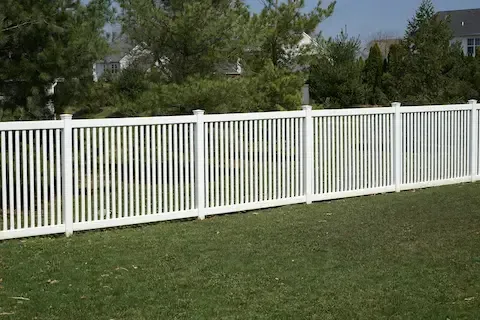
Summer Vinyl Fence Cleaning for Brownsville Homeowners
Brownsville summers are no joke. The combination of intense Gulf humidity, salt-laden coastal air, and temperatures that push well past 90 degrees creates a particularly demanding environment for outdoor structures. Vinyl fencing holds up better than wood in these conditions, but that doesn't mean it cleans itself. By midsummer, most vinyl panels in the Rio Grande Valley show visible signs of mildew streaking, algae growth, and a chalky residue that comes from mineral deposits and salt carried inland from the coast. A proper seasonal cleaning keeps your fence looking sharp and extends the life of the material.
Why Summer Is the Right Time to Clean Your Vinyl Fence
Cleaning in summer sounds counterintuitive when you think about how fast water evaporates in Brownsville heat, but there are real reasons to prioritize this season. Organic growth — mildew, algae, and green film — peaks in the months following the spring rainy pattern. By June and July, buildup that started forming in April has had time to establish itself on panel surfaces. If you wait until fall, those organisms have been baking into the surface under UV exposure for months, making removal significantly harder.
Summer cleaning also lets you assess any damage from spring storms. High winds and debris can leave surface scratches that trap dirt, and catching those early prevents staining from deepening. Once you know what you're working with, you can plan whether a simple rinse-and-scrub is enough or whether you need more targeted treatment on problem sections.
Understanding What You're Cleaning Off
Before you reach for a bucket or a pressure washer, it helps to identify the type of residue on your fence. Each one responds to different cleaning approaches.
- Mildew and mold: Appears as dark gray or black streaking, often concentrated on shaded panels or areas near soil. Common along fence lines bordering irrigation zones.
- Algae: Green or brownish-green film that tends to form on fence sections near grass, garden beds, or low-lying areas that stay damp longer.
- Salt residue: Shows up as a white, chalky haze, more pronounced on the south and east-facing panels that catch prevailing Gulf winds in Brownsville.
- Dirt and debris: General brown grime from dust, wind-blown soil, and irrigation overspray. Often overlooked but can become embedded over time.
Knowing what's on the surface tells you how aggressive your cleaning approach needs to be. Most summer buildup on Brownsville vinyl fences responds well to basic cleaning methods without damaging the panels.
Safe Cleaning Solutions for Vinyl Panels
Vinyl is durable but not indestructible. Harsh solvents, abrasive scrubbers, and certain chemical cleaners can dull the finish or cause surface brittleness, especially on panels already stressed by UV exposure. Stick to these safe options:
- Dish soap and water: Works for general grime and light mildew. Mix a few tablespoons in a bucket of warm water and apply with a soft-bristle brush.
- White vinegar solution: Dilute one part white vinegar with three parts water for moderate mildew and salt residue. Apply, let sit for five minutes, then scrub and rinse.
- Bleach and water mixture: Reserve this for stubborn mold or heavy mildew. Use no more than one part bleach to ten parts water. Rinse thoroughly and avoid getting the solution on nearby plants, which is a real concern in residential areas of Brownsville where landscaping sits close to fence lines.
Avoid using steel wool, scouring pads, or any product labeled for use on concrete or masonry. These will scratch vinyl and permanently damage the finish.
Pressure Washer Settings That Won't Damage Your Fence
Pressure washers speed up the job considerably, but wrong settings can force water behind panels, stress post caps, or even crack older vinyl. If you're using a pressure washer for your summer cleaning, follow these guidelines:
- Keep pressure at or below 1,500 PSI for vinyl panels. Most residential units go higher — adjust the setting or use a wider spray tip.
- Use a 40-degree fan tip, not a zero-degree or 15-degree tip, which concentrates pressure too aggressively.
- Hold the nozzle at least 12 inches from the fence surface and keep it moving. Don't hold it stationary on one spot.
- Spray at a slight downward angle, never directly into panel seams or post caps where water intrusion can cause long-term issues.
In Brownsville neighborhoods near resacas or low-lying areas, post bases can already retain moisture from soil conditions. Be mindful of directing excessive water toward the base of posts during cleaning.
Tackling Salt Residue Specifically
Salt residue deserves its own attention because it's a distinctly coastal problem. Homes in the Boca Chica area, near the Port of Brownsville, or along open corridors that face southeast will see heavier salt film than properties in more sheltered parts of the city. Standard soap and water sometimes isn't enough to cut through mineral deposits.
For salt residue, a white vinegar rinse is your most effective tool. Apply it directly to the affected sections, let it work for five to ten minutes, and then rinse with a strong flow of fresh water. You may need to repeat this on heavily coated sections. After rinsing, dry the panels with a clean cloth if possible — allowing water to evaporate in Brownsville's summer heat can leave new mineral spots from the rinse water itself, particularly if you're on well water or have high mineral content in your supply.
Rinsing and Finishing the Job
Whatever cleaning solution you use, the rinse step matters as much as the scrubbing. Residue from cleaning products left on vinyl will attract new dirt faster than a clean surface. Give every section a thorough fresh-water rinse from top to bottom, working your way along the fence line systematically.
After rinsing, check your post caps and rail connections for any signs of loose fittings or damage that summer storms might have caused. This is also a good moment to look at whether any panels have shifted. If you're noticing structural issues rather than just surface dirt, that's worth a conversation with a professional. For questions about your fence panels or posts, our Vinyl Fence Installation team can evaluate whether any components need repair or replacement.
How Often Should You Clean During Summer
For most Brownsville homeowners, one thorough cleaning in early summer and a lighter rinse in mid-to-late August covers the season well. Properties with heavy tree canopy or irrigation systems running close to the fence line may benefit from more frequent attention, since moisture accelerates mildew growth. If you start seeing green film forming between cleanings, increasing your rinse frequency is more effective than waiting and doing a heavier scrub later.
For additional context on how the summer climate affects vinyl panels themselves, the summer heat performance notes covers what to expect from your fence material during peak temperature months.
Keeping your vinyl fence clean through summer isn't complicated, but it does require the right approach for Brownsville's specific coastal conditions. A consistent routine protects your investment and keeps your property looking well-maintained through the most demanding season of the year.
