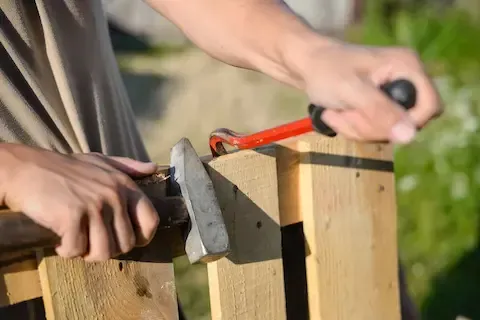
Post-Hurricane Fence Repair Surge in Brownsville Texas
When a hurricane moves through the Rio Grande Valley, the damage it leaves behind hits fences hard. Wind-driven rain, airborne debris, and storm surge can flatten chain-link, splinter wood panels, and twist metal posts beyond use. In Brownsville, where neighborhoods sit close to the Gulf coast corridor and tropical systems track regularly through the area, post-storm fence damage is a recurring reality for homeowners and property managers alike. Knowing how to navigate the aftermath — from assessing what's broken to finding a contractor during the busiest season — makes a significant difference in how quickly and efficiently your fence gets back up.
Understanding the Scope of Hurricane Fence Damage
Not all storm damage looks the same. A hurricane that makes landfall near Brownsville or tracks up through Tamaulipas can create wildly different damage profiles depending on wind speed, rain volume, and how long the storm stalls over the area. Some fences suffer complete panel blowouts where sections break free entirely. Others show subtler damage: posts that have shifted or heaved from saturated soil, rails that have bent, or gates that no longer align with their frames.
Before you call a contractor, walk your full perimeter and take stock of what you're dealing with. Look for:
- Leaning or displaced posts, especially at corners and gate openings
- Missing or cracked pickets and panels
- Loose or pulled fasteners along the rail line
- Gate hardware damage — hinges, latches, and frames often absorb disproportionate force
- Soil erosion or standing water around base posts
Document everything with dated photos before any cleanup begins. This matters both for contractor estimates and for your insurance claim process.
The Surge Problem: Why Scheduling Gets Complicated After Storms
After a major storm event in the Brownsville area, demand for fence repair contractors spikes sharply within the first 48 to 72 hours. Every homeowner and property manager in the region is calling at once. This creates a surge environment where wait times stretch and contractors with less experience or capacity may take on more than they can handle responsibly.
If your fence damage creates a security or liability concern — an open perimeter around a pool, for example, or a collapsed section that borders a roadway — communicate that urgency directly when you contact contractors. Most reputable fence companies will prioritize safety-critical situations, especially for existing customers.
For damage that's significant but not immediately dangerous, plan for a realistic timeline. In a true post-hurricane surge across Brownsville and Cameron County, you may be looking at one to three weeks before a contractor can begin work. Use that time to get multiple estimates, organize your documentation, and begin the insurance process if applicable.
Vetting Contractors During High-Demand Periods
Storm season creates an opening for unlicensed or out-of-area contractors to move into affected communities and offer quick repairs at prices that seem attractive. In practice, these situations often lead to incomplete work, improper post installation, or materials that fail to meet local wind load codes. Brownsville and the surrounding Rio Grande Valley corridor have specific building standards that account for high-wind exposure — work that doesn't meet those standards can create problems when you sell your property or file a future insurance claim.
When evaluating contractors after a storm, ask directly:
- Are they licensed to operate in Texas and specifically in Brownsville or Cameron County?
- Do they carry liability insurance and workers' compensation coverage?
- Can they provide references from local customers — not just general reviews?
- Are they familiar with Cameron County permit requirements for fence replacement?
- Do they offer a written warranty on both materials and labor?
A contractor who hesitates on any of these questions during a busy period deserves extra scrutiny. For a comprehensive look at Fence Repair Services in the area, established local providers will have the credentials and track record to back up their estimates.
Navigating Insurance Claims for Storm Fence Damage
Homeowner's insurance policies vary considerably in how they treat fence damage from named storms versus general wind events. In Texas, some policies carry separate hurricane or windstorm deductibles that apply when a declared storm causes the damage. Before you assume your repair will be fully covered, review your declarations page and contact your adjuster early.
What helps your claim move efficiently:
- Timestamped photos taken immediately after the storm, before any debris removal
- Written estimates from licensed local contractors, not rough verbal quotes
- A clear record of your fence's condition prior to the storm — previous photos, permits, or installation records if available
- Any documentation connecting the damage to a specific named storm or severe weather event
Your contractor can often provide a detailed damage assessment letter that insurance adjusters find useful. Ask for one specifically when you get your written estimate. For more context on what storm repairs typically cost and how to frame your expectations, the storm repair cost notes from this site break down common pricing variables worth reviewing before you finalize any estimates.
Materials and Rebuild Decisions in a Storm-Prone Region
Post-hurricane repair is also an opportunity to reconsider your fence material and design if the previous installation underperformed. In Brownsville and the lower Valley, wood privacy fencing is popular but requires careful installation practices — proper post depth, concrete footing, and appropriate spacing — to hold up against sustained winds. Chain-link fencing tends to fare better structurally in high winds because it allows air to pass through, though the posts still need solid anchoring.
If your contractor recommends replacing sections rather than repairing them, ask about the reasoning. In many storm-damaged fences, damaged posts compromise the entire run — repairing the visible surface while leaving a compromised post is a common shortcut that creates recurring problems. A quality rebuild addresses the foundation, not just what's visible from the street.
Timing Your Repair in Brownsville's Storm Cycle
The Atlantic hurricane season runs June through November, with peak activity typically falling between August and October — the window when Brownsville and the Rio Grande Valley face the greatest exposure. If your fence survived the current season with minor damage, use the quieter winter and spring months to address deferred maintenance before the next season begins. Scheduling fence work outside of peak demand periods means shorter wait times, more contractor availability, and often more competitive pricing.
Properties in Brownsville's older neighborhoods — particularly those near resacas or low-lying areas that collect storm runoff — often see post heaving and soil erosion that weakens fence foundations over multiple storm seasons. Regular inspection after each major weather event helps you catch gradual degradation before it becomes an emergency repair.
