Hurricane Wind Loads on Automatic Gates Brownsville
Understanding Gulf Coast Wind Zones in Brownsville
Your automatic gate installation in Brownsville faces unique challenges from Gulf Coast weather patterns. The Rio Grande Valley experiences sustained winds exceeding 120 mph during major hurricane events, making proper wind load calculations essential for gate durability. Standard residential gates typically handle 20-30 mph winds, but Brownsville properties require engineering that accounts for Category 3 hurricane conditions.
Wind zone classifications determine the structural requirements for your automatic gate system. Brownsville falls within Wind Zone IV according to ASCE 7 standards, requiring gates to withstand design pressures of 42 psf (pounds per square foot) minimum. This translates to reinforced frame construction, upgraded hinge assemblies, and modified panel designs that prevent catastrophic failure during storm events.
The proximity to the Gulf of Mexico creates additional considerations beyond standard wind resistance. Salt air corrosion accelerates metal fatigue, while rapid pressure changes during storm fronts can create suction forces that standard gate hardware cannot handle. Your Automatic Gate Installation must incorporate marine-grade materials and specialized anchoring systems designed for coastal conditions.
Panel Configuration and Ventilation Requirements
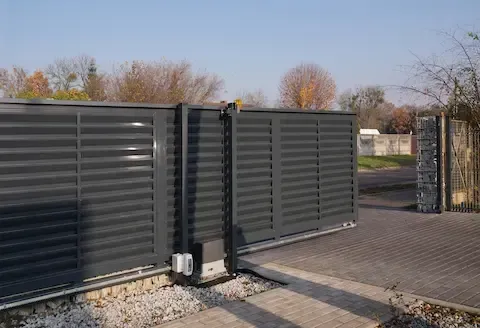
Solid panel gates create dangerous wind sail effects during hurricane conditions. Professional installations in Brownsville incorporate ventilation strategies that reduce wind loading while maintaining security and aesthetics. Horizontal slat designs with 40-50% open area provide optimal wind passage while preserving the gate's structural integrity.
Vertical picket spacing requires careful calculation based on wind tunnel effects common along the Texas coast. Gaps between 3-4 inches allow sufficient air flow without compromising security, while wider spacing can create turbulent vortex patterns that increase structural stress. The panel frame must distribute these forces across multiple mounting points rather than concentrating loads at traditional hinge locations.
Perforated metal panels offer an alternative approach for properties requiring enhanced security. These designs maintain 35-40% open area while providing visual barriers. The perforation pattern affects wind flow dynamics, with staggered hole arrangements performing better than uniform grid patterns during sustained high winds typical of Gulf Coast storms.
Reinforced Hinge Systems and Hardware Upgrades
Standard gate hinges fail catastrophically when subjected to hurricane-force winds. Brownsville installations require heavy-duty bearing hinges rated for continuous operation under 150 mph sustained winds. These assemblies incorporate sealed ball bearings and corrosion-resistant coatings specifically designed for marine environments.
Post anchoring becomes critical when wind loads exceed normal design parameters. Standard concrete footings prove inadequate for hurricane conditions, requiring helical pier systems or expanded concrete foundations extending below the frost line. The post-to-footing connection must transfer lateral loads without creating stress concentrations that lead to premature failure.
Gate operators face additional challenges from wind loading and power interruptions common during storm events. Wind-rated operators include mechanical locks that engage automatically when wind speeds exceed preset thresholds, preventing motor damage and maintaining gate security. Battery backup systems ensure continued operation during extended power outages that frequently affect the Brownsville area following major storm events.
Storm Preparation and Release Mechanisms
Hurricane preparedness requires automated systems that secure your gate without manual intervention. Wind sensors trigger automatic lock engagement when sustained winds reach 35-40 mph, well before dangerous conditions develop. These systems prevent gate movement that could damage the operator mechanism or create safety hazards for nearby structures.
Emergency release mechanisms allow manual gate operation when power systems fail or when evacuation becomes necessary. These releases must function under extreme weather conditions while maintaining security during normal operations. Professional installations include backup manual operators that engage through protected access points, ensuring functionality even when primary systems are compromised.
For comprehensive planning, consider reviewing our automatic gate overview which covers additional aspects of automated entry systems. Storm drainage around gate posts prevents water accumulation that can undermine foundation stability during heavy rainfall events that accompany Gulf Coast hurricanes.
Material Selection for Coastal Durability
Marine-grade aluminum provides optimal performance for hurricane-rated gates in Brownsville's coastal environment. This material offers superior corrosion resistance while maintaining the strength-to-weight ratio necessary for automated operation. Powder coating systems designed for marine applications provide additional protection against salt air that accelerates corrosion in standard steel installations.
Galvanized steel components require hot-dip galvanizing rather than electroplated coatings to withstand Gulf Coast conditions. The galvanizing process creates a metallurgical bond that prevents corrosion even when the coating is scratched or damaged during storm events. Hardware specifications must include Grade 316 stainless steel fasteners that resist crevice corrosion common in coastal installations.
Composite materials offer advantages for specific gate components, particularly in decorative elements that don't carry structural loads. These materials maintain appearance and dimensional stability while reducing overall gate weight, which decreases wind loading and extends operator life. However, structural components must remain metallic to provide the strength necessary for hurricane resistance.
Professional Installation and Code Compliance
Brownsville building codes incorporate International Building Code wind load requirements with local amendments addressing Gulf Coast conditions. Professional installation ensures compliance with these standards while providing documentation necessary for insurance coverage. Permit applications must include engineer-stamped drawings showing wind load calculations and structural details.
Installation scheduling should account for seasonal weather patterns that affect the Rio Grande Valley. Hurricane season from June through November creates installation windows that must be carefully planned to ensure completion before storm threats develop. Proper installation requires multiple days for concrete curing and system commissioning that cannot be rushed when weather threatens.
Post-installation maintenance becomes critical for maintaining hurricane resistance over time. Annual inspections should verify hinge operation, check foundation stability, and confirm that wind sensors function properly. The corrosive Gulf Coast environment accelerates normal wear patterns, making preventive maintenance essential for system reliability when storms threaten the Brownsville area.
