Automatic Driveway Gate Installation in Brownsville TX
Automatic driveway gate installation in Brownsville requires careful consideration of your property's unique characteristics, local climate conditions, and specific security needs. Whether you're protecting a residential estate or securing a commercial facility, the right automatic gate system provides convenient access control while enhancing your property's value and curb appeal.
Understanding Automatic Gate Types for Brownsville Properties
Swing gates and sliding gates represent the two primary options for automatic driveway installations in Brownsville. Swing gates operate like traditional doors, opening inward or outward on hinges, making them ideal for properties with adequate clearance space on either side of the driveway. These systems work particularly well for residential applications where the driveway width doesn't exceed 16 feet and you have sufficient room for the gate panels to swing freely.
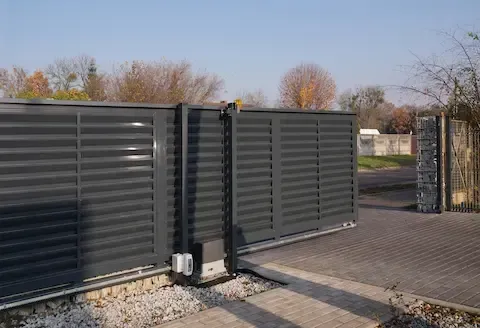
Sliding gates move horizontally along a track system, requiring space alongside your driveway rather than in front or behind the gate opening. This configuration proves advantageous for properties with steep driveways, limited clearance, or wider openings that would require oversized swing gate panels. Sliding systems can accommodate openings up to 40 feet or more, making them suitable for commercial properties and large residential estates throughout Brownsville.
The choice between swing and slide configurations depends heavily on your driveway's slope, available space, and aesthetic preferences. Properties with significant grade changes often benefit from sliding systems, while flat driveways with adequate clearance can accommodate either option effectively.
Motor and Opener Selection Considerations
Proper motor sizing ensures reliable operation and longevity for your automatic gate system in Brownsville's climate. Gate weight, wind load, and frequency of use determine the appropriate motor specifications. Residential swing gates typically require motors rated between 1/2 to 3/4 horsepower, while heavier commercial installations may need 1 horsepower or greater.
Sliding gate motors must overcome both the gate's weight and rolling resistance along the track system. Linear actuator motors work well for lighter residential sliding gates, while rack and pinion systems provide superior power for heavier commercial applications. The motor's duty cycle rating indicates how frequently the gate can operate without overheating, with commercial-grade motors designed for continuous operation throughout the day.
Hydraulic operators offer exceptional power and smooth operation, particularly for heavy gates or high-traffic applications. These systems perform reliably in extreme temperatures and provide precise control over opening and closing speeds. Electric screw drive operators present a cost-effective alternative for residential applications, offering reliable performance with minimal maintenance requirements.
Your motor selection should account for Brownsville's humidity levels and occasional severe weather conditions. Enclosed motor housings protect critical components from moisture infiltration, while backup battery systems ensure continued operation during power outages that occasionally affect the Rio Grande Valley region.
Safety Sensor and Access Control Integration
Modern automatic gate installations require comprehensive safety systems to prevent accidents and ensure reliable operation. Photoelectric sensors create an invisible beam across the gate opening, automatically stopping or reversing the gate if a vehicle or person interrupts the beam during operation. These sensors must be positioned at appropriate heights to detect both vehicles and pedestrians effectively.
Loop detectors embedded in the driveway pavement provide additional safety by sensing metallic objects within the gate's path. Exit loops allow vehicles to trigger gate opening from inside the property, while safety loops prevent the gate from closing on vehicles still within the opening. Professional installation ensures proper loop placement and sensitivity adjustment for optimal performance.
Edge sensors attached directly to the gate panels provide immediate obstacle detection through contact or pressure-sensitive technology. These systems offer the final line of defense against accidents, immediately stopping gate movement upon contact with any obstruction.
Access control options range from simple remote controls to sophisticated keypad and card reader systems. Wireless keypads allow convenient access without requiring individual remotes for each user, while proximity card readers provide secure access logging for commercial applications. Modern systems can integrate with smartphone apps, allowing property owners to monitor and control gate operation remotely.
Installation Requirements and Site Preparation
Successful automatic gate installation begins with proper site evaluation and preparation. The driveway surface must provide adequate support for gate posts and track systems, with concrete foundations extending below the frost line to prevent shifting. In Brownsville's clay-rich soil conditions, proper drainage around gate foundations prevents water accumulation that could compromise structural integrity.
Electrical service requirements vary based on motor specifications and accessory needs. Most residential installations require 110-volt service, while larger commercial motors may need 220-volt power. Underground electrical conduits protect wiring from damage and comply with local electrical codes. Solar power options provide sustainable operation for remote locations without convenient electrical access.
Gate post installation demands precise alignment and adequate structural support. Steel posts set in concrete provide the strongest foundation for automatic gate systems, with post spacing and depth calculated based on gate weight and wind load factors. Proper post installation prevents sagging and misalignment issues that compromise gate operation over time.
Professional installers evaluate drainage patterns around the gate area to prevent water accumulation that could affect track systems or create ice hazards during occasional freezing weather. Grading adjustments ensure proper water flow away from gate components while maintaining smooth driveway transitions.
Permitting and Code Compliance in Brownsville
The City of Brownsville requires building permits for most automatic gate installations, particularly those involving electrical work or structural modifications. Permit applications must include detailed installation plans, electrical diagrams, and equipment specifications. The permitting process typically takes 2-3 weeks, depending on project complexity and current application volumes.
Local building codes specify minimum setback requirements, height restrictions, and safety equipment standards for automatic gate installations. Gates must maintain adequate clearance from property lines and cannot obstruct sidewalks or public right-of-way areas. Height restrictions vary by zoning district, with residential areas typically allowing gates up to 8 feet in height.
Fire department access requirements may influence gate design and operation in certain areas of Brownsville. Emergency override systems allow first responders to access gated properties during emergencies, while specific opening widths ensure fire truck access to residential developments and commercial properties.
Electrical installations must comply with National Electrical Code standards and local amendments adopted by Cameron County. Licensed electricians must perform all electrical connections and system grounding to ensure code compliance and safety. Inspection requirements include both rough-in and final inspections before system activation.
Maintenance and Longevity Factors
Regular maintenance ensures optimal performance and extends the lifespan of your automatic gate system in Brownsville's challenging climate. Monthly visual inspections should check for loose hardware, damaged sensors, and proper gate alignment. Lubrication of hinges, rollers, and track components prevents premature wear and ensures smooth operation.
Motor maintenance includes checking belt tension, cleaning air vents, and testing backup battery systems. Hydraulic operators require periodic fluid level checks and seal inspections, while electric motors benefit from annual professional service to verify electrical connections and component condition.
Safety system testing should occur monthly to ensure proper sensor operation and emergency stop functions. Photoelectric sensors require periodic cleaning to remove dust and debris that could interfere with beam transmission. Loop detector sensitivity may need seasonal adjustment to account for temperature-related changes in pavement conditions.
Seasonal maintenance considerations in Brownsville include preparing systems for hurricane season and occasional winter weather events. Securing loose components, checking drainage systems, and testing backup power systems help ensure continued operation during severe weather conditions that periodically affect the Rio Grande Valley.
Professional Installation Benefits and Considerations
Professional automatic gate installation ensures proper system design, code compliance, and optimal performance. Experienced installers understand local soil conditions, climate factors, and permitting requirements specific to Brownsville properties. They can evaluate your site's unique characteristics and recommend appropriate equipment configurations for reliable long-term operation.
Professional installation includes comprehensive testing of all safety systems, proper electrical connections, and adjustment of operating parameters for optimal performance. Installers provide warranty coverage on both equipment and workmanship, protecting your investment and ensuring prompt resolution of any installation-related issues.
Warranty considerations extend beyond initial installation to include ongoing service and parts availability. Established local contractors maintain relationships with equipment manufacturers and parts suppliers, ensuring prompt resolution of maintenance needs and component replacements throughout the system's lifespan.
Professional installers also provide valuable guidance on system operation, maintenance requirements, and troubleshooting procedures. This education helps property owners maximize their system's performance while minimizing unnecessary service calls and premature component failure.
When selecting an installation contractor, consider their experience with similar projects in Brownsville, licensing and insurance coverage, and customer references. Local contractors understand regional conditions and can provide ongoing service support, while their established relationships with local suppliers ensure efficient parts availability and competitive pricing.
Investment in professional installation and quality equipment provides years of reliable service while enhancing your property's security, convenience, and value. Whether you need comprehensive fencing solutions or specialized gate systems, proper planning and professional installation ensure optimal results that meet your specific requirements and expectations.
