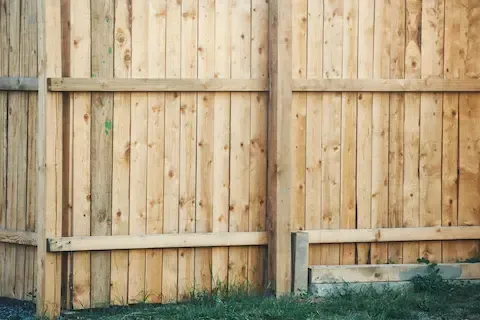
Privacy Fence Installation Across Brownsville Texas
Installing a privacy fence in Brownsville requires understanding the unique challenges of South Texas coastal conditions. The combination of clay soil, high humidity, hurricane-force winds, and specific Cameron County regulations creates distinct requirements for fence installation that differ significantly from inland Texas cities. Property owners need to consider material selection, foundation depth, wind load requirements, and permit processes specific to the Rio Grande Valley region.
Clay Soil Foundation Requirements
Brownsville's expansive clay soil presents significant challenges for fence post installation. The soil composition changes dramatically with moisture levels, expanding during wet seasons and contracting during dry periods. This movement can cause fence posts to shift, lean, or even fail completely if not properly anchored.
Post holes must be dug to a minimum depth of 30 inches in clay soil, with 36 inches recommended for taller privacy fences. The bottom 6 inches should be filled with crushed gravel to provide drainage and prevent water accumulation around the post base. Fast-setting concrete should be used to secure posts, as it prevents water displacement during the curing process that often occurs with standard concrete in clay conditions.
Professional installers often use mechanical augers rather than manual digging tools due to the dense nature of local clay soil. The clay's tendency to stick to digging equipment can make manual installation extremely labor-intensive and time-consuming.
Hurricane Wind Load Specifications
Brownsville lies within Hurricane Zone I, requiring privacy fences to withstand wind speeds up to 150 mph according to current building codes. This designation significantly impacts fence design, post spacing, and material requirements compared to areas with lower wind load specifications.
Post spacing must not exceed 6 feet on center for privacy fences, with 8-foot spacing reserved only for lower-profile fence styles. Corner posts and gate posts require additional bracing or larger post dimensions to handle increased stress points during high wind events.
Fence panels should incorporate wind relief features such as spacing between boards or lattice sections at the top. Solid privacy fences without wind relief create excessive pressure buildup that can cause catastrophic failure during storm events. Many local contractors recommend alternating board spacing or incorporating decorative cutouts that maintain privacy while reducing wind load.
Cedar Material Selection and Treatment
Cedar remains the preferred material for Privacy Fence Installation in the Brownsville area due to its natural resistance to humidity, insects, and decay. However, the coastal environment requires additional considerations for cedar selection and treatment.
Western Red Cedar performs better than Eastern Red Cedar in high humidity environments, though both require proper treatment for maximum longevity. The natural oils in cedar provide excellent resistance to termites and carpenter ants, which are prevalent in South Texas. However, the high moisture levels near the Rio Grande Valley can accelerate weathering without proper maintenance.
Pre-treating cedar with water-repellent sealers before installation extends fence life significantly in coastal conditions. Annual reapplication of sealers helps maintain the wood's natural color and prevents moisture absorption that leads to warping and splitting.
Post material selection is crucial, with pressure-treated pine posts often preferred over cedar posts for below-ground installation. The chemical treatment provides superior rot resistance in the high-moisture clay soil conditions common throughout Cameron County.
Cameron County Permit Requirements
Privacy fence installation in Brownsville requires permits for fences exceeding 6 feet in height or those installed within front yard setback areas. The Cameron County permitting process typically takes 7-10 business days for standard residential privacy fence applications.
Required documentation includes a plot plan showing fence location, height specifications, and distance from property lines. Fences must be set back at least 2 feet from side property lines and cannot exceed 8 feet in height in residential zones without special approval.
Inspection requirements include a foundation inspection after post installation but before panel attachment, and a final inspection upon completion. Installers must contact the building department at least 24 hours before requesting inspections to ensure inspector availability.
HOA approval may be required in addition to county permits for properties within deed-restricted communities. Many Brownsville subdivisions have specific requirements for fence materials, colors, and heights that supersede county regulations.
Drainage and Water Management
Proper drainage design is essential for privacy fence longevity in Brownsville's high-rainfall environment. The area receives an average of 27 inches of annual precipitation, with intense rainfall events common during summer months and hurricane season.
Fence lines should incorporate drainage considerations to prevent water accumulation against fence panels. Grading around the fence should direct water away from post locations, and French drains may be necessary in low-lying areas prone to standing water.
Bottom rail clearance of 2-3 inches above grade prevents direct soil contact that accelerates wood decay. This clearance also allows for proper air circulation, which helps prevent moisture buildup and fungal growth on fence surfaces.
Common Installation Mistakes
Many DIY fence installations in Brownsville fail due to inadequate post depth for local soil conditions. Standard 24-inch post depth recommendations for other regions prove insufficient for the expansive clay soil and high wind loads experienced in South Texas.
Using standard concrete mix instead of fast-setting concrete often results in post displacement during curing. The high moisture content in clay soil can cause standard concrete to remain soft longer than expected, allowing posts to shift before achieving full strength.
Failing to account for hurricane wind load requirements results in fence failures during storm events. Many property owners install fences suitable for lower wind zones without realizing Brownsville's specific requirements for hurricane resistance.
Inadequate drainage planning leads to premature fence failure from water damage and soil erosion. Installing fences in low areas without proper drainage consideration often results in post rot and panel damage within a few years.
Professional Installation Considerations
Professional fence contractors in Brownsville possess specific knowledge of local soil conditions, permitting requirements, and hurricane-resistant installation techniques. They maintain relationships with Cameron County building inspectors and understand the nuances of local code interpretation.
Licensed contractors carry appropriate insurance for wind damage claims, which becomes crucial given the hurricane exposure in the Rio Grande Valley. They also typically provide warranties that cover both materials and installation, offering protection against premature failure due to environmental factors.
Professional installers have access to specialized equipment for clay soil excavation and concrete mixing equipment suitable for South Texas conditions. They understand the timing requirements for concrete curing in high humidity environments and can adjust installation schedules accordingly.
Many contractors offer maintenance services including annual inspections, re-sealing, and minor repairs that extend fence life significantly in the harsh coastal environment. Understanding fence repair services available locally helps property owners maintain their investment over time.
Long-term Maintenance Requirements
Privacy fences in Brownsville require more frequent maintenance than those in drier climates due to the combination of high humidity, salt air, and intense UV exposure. Annual cleaning with mild detergent solutions removes salt buildup and prevents discoloration.
Bi-annual inspection of post stability becomes essential due to the expansive clay soil movement. Posts that appear secure during dry periods may show movement after heavy rain events when clay soil expands and shifts.
Re-sealing cedar fences every 2-3 years maintains their appearance and weather resistance. The high UV intensity in South Texas breaks down protective coatings faster than in northern climates, requiring more frequent reapplication for optimal protection.
Hardware inspection should focus on wind damage potential, checking for loose screws, brackets, or hinges that could fail during storm events. Replacing hardware before visible corrosion occurs prevents more extensive damage during high wind situations.
