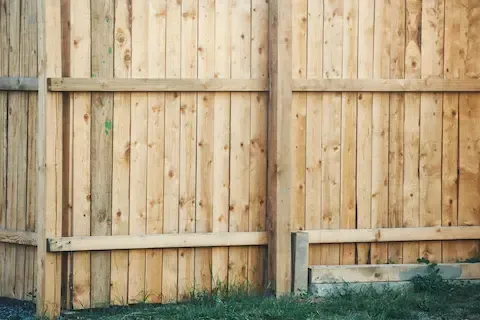
Pre-Hurricane Privacy Fence Inspection Brownsville
Brownsville sits in one of the most storm-exposed corridors in Texas. When a hurricane or tropical storm pushes inland from the Gulf, the Cameron County coastline funnels high-velocity winds directly through residential neighborhoods, and privacy fences are among the first structures to fail. A downed fence does more than create a property line dispute — it becomes airborne debris that can damage vehicles, structures, and neighboring homes. Taking the time to inspect your fence before hurricane season peaks is one of the most practical steps a Brownsville homeowner can take.
Why Privacy Fences Are Especially Vulnerable in Brownsville
Privacy fences are designed to block sight lines, and that solid panel construction is exactly what makes them dangerous in high winds. Unlike open picket fences, privacy panels create a wall of resistance. Wind cannot pass through them. During a tropical storm or hurricane, that surface area acts like a sail, and the force transferred into the post system can be enormous.
Brownsville's climate compounds the problem. The combination of salt air from the Gulf, high humidity year-round, and intense summer heat accelerates wood decay and metal corrosion faster than in inland Texas cities. A fence that looks structurally sound from your back porch may have significant deterioration at ground level and below the soil line where moisture collects and organisms break down wood fiber or rust out post hardware.
Post Stability — The Most Critical Inspection Point
Every fence is only as strong as its posts. Begin your inspection by physically testing each post. Grip the post firmly near the top and apply lateral pressure. Any movement, rocking, or flex indicates a compromised anchor. Posts should feel completely rigid.
Dig carefully around the base of any post that shows movement. In many older Brownsville installations, posts were set in soil alone or in undersized concrete footings that have degraded over time. Current best practice requires concrete footings poured to a depth that accounts for local soil conditions and wind load expectations. Posts that have been in place for ten or more years in Cameron County's moisture-heavy soil are prime candidates for base failure.
Check the post material itself. Wood posts showing dark staining, soft spots when probed with a screwdriver blade, or visible fungal growth at or near ground level are actively rotting and will not survive a major storm event. Metal posts should be checked for rust perforation — surface rust is cosmetic, but rust that has eaten through the wall of the post is a structural failure point.
Panel Attachment and Hardware Review
Even if your posts are solid, panels that are poorly attached to the frame will fail independently. Walk the fence line and look at how each panel section connects to its supporting rails and posts. Common problem areas include:
- Screws or nails that have backed out due to wood expansion and contraction through seasonal temperature swings
- Rusted fasteners that have lost their holding strength even if they appear to still be seated
- Split pickets at attachment points where fasteners have caused the wood to crack over time
- Loose rail-to-post brackets, especially on fences installed with surface-mounted hardware rather than mortised connections
Replace any fastener that shows rust discoloration or backing out. Galvanized or stainless steel hardware is mandatory in Brownsville's coastal environment — standard zinc-plated fasteners fail within a few seasons. If a significant portion of your fasteners show deterioration, a full hardware replacement across the fence run is worth the cost before hurricane season.
Gulf Wind Load Weak Points to Identify
Brownsville receives sustained wind exposure that many inland Texas communities do not. When inspecting for storm readiness, think about how wind will actually move across your property. Certain sections of your fence will receive higher pressure loads than others depending on the fence's orientation relative to the prevailing storm wind direction.
Corner sections, gate openings, and any section where the fence transitions height are structurally weaker than continuous mid-run panels. Gates deserve special attention — gate frames accumulate stress at their hinges and latch points, and a gate that swings free becomes a battering ram in high winds. Confirm that gate hinges are fully fastened with no stripped screws, and that the gate can be securely latched or locked closed before a storm approaches.
Any section where a tree or large shrub grows close to the fence line should be evaluated. Root systems can shift fence posts over time, and overhanging limbs that come down in a storm will compromise whatever fence section lies beneath them.
Wood Versus Vinyl — Different Failure Patterns
Wood privacy fences in Brownsville are the most common and tend to fail through post rot and fastener failure as described above. Vinyl privacy fences present different challenges. Vinyl panels can become brittle after years of UV exposure in South Texas's intense sun. Brittle vinyl cracks and shatters under impact load rather than bending, and shattered panel sections create significant debris hazard. Check vinyl panels for discoloration, surface crazing, or any existing cracks, particularly at the bottom of panels where soil contact and moisture retention accelerate degradation.
If you are considering replacing or upgrading fence sections identified during your inspection, reviewing your options for Privacy Fence Installation with materials and post-setting methods appropriate for Cameron County wind conditions is a productive next step.
Documentation Before the Storm
Before hurricane season gets fully underway, photograph your entire fence line from multiple angles. Date-stamp the images. This pre-storm documentation matters significantly for insurance claims if damage occurs. Note any existing conditions in writing so that post-storm adjustments or repairs are not disputed as pre-existing issues.
Brownsville homeowners filing claims after previous tropical storm seasons have found that documented pre-storm condition significantly speeds claim resolution with Cameron County-area insurance carriers.
When to Call a Professional for Assessment
A DIY visual and physical inspection covers obvious failure points, but underground post conditions, soil stability, and structural load calculations are areas where professional evaluation adds real value before a major storm. If your fence is ten or more years old, has experienced any prior storm damage, or if you identified multiple problem areas during your inspection walk, a professional assessment is the appropriate step before hurricane season arrives in Brownsville.
Understanding local fence regulations is also part of complete storm preparedness — knowing what height and setback rules apply to any repairs or replacements you make keeps your project compliant. You can review fence height limits explained for guidance relevant to Brownsville properties.
A fence that fails in a storm does not just create repair costs — it creates liability and hazard for your neighbors and your own property. Brownsville's hurricane exposure makes pre-season inspection a straightforward investment in protecting everything your fence was installed to protect.
