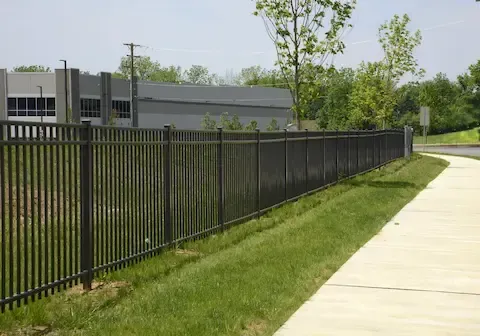
Powder-Coated Wrought Iron for Brownsville Salt Air
Understanding Powder Coating for Coastal Wrought Iron
When you install wrought iron fencing in Brownsville, you're dealing with one of the most challenging environments for metal structures in Texas. The combination of Gulf Coast humidity, salt air, and intense summer heat creates conditions that can quickly deteriorate standard paint finishes on iron fencing. Powder coating represents the most effective solution for protecting your wrought iron investment against these harsh coastal elements.
Powder coating differs fundamentally from traditional liquid paint applications. The process involves electrostatically applying dry powder particles to the metal surface, then curing the coating in an oven at temperatures between 350-400°F. This creates a chemical cross-link that forms a protective barrier significantly more durable than conventional paint systems. For Brownsville's salt air environment, this enhanced durability translates directly into longer-lasting fence protection and reduced maintenance requirements.
The coastal location of Brownsville means your wrought iron faces constant exposure to airborne salt particles carried inland from the Gulf of Mexico. These salt deposits accelerate corrosion by attracting moisture and creating electrochemical reactions that break down metal surfaces. Standard paint films often fail within two to three years under these conditions, while properly applied powder coating can provide protection for eight to twelve years or more.
Critical Coating Thickness Standards
Achieving proper coating thickness represents the most important factor in powder coating performance for coastal applications. Industry standards recommend minimum coating thicknesses of 2.5 to 4.0 mils for general applications, but Brownsville's salt air environment requires enhanced protection. For optimal performance in coastal conditions, powder coating thickness should range between 3.5 to 5.0 mils.
Coating thickness measurement requires specialized equipment, typically using magnetic or eddy current thickness gauges. Professional applicators check thickness at multiple points across each fence section to ensure uniform coverage. Thin spots in the coating create vulnerability points where salt air can penetrate and initiate corrosion. Even small areas with inadequate thickness can compromise the entire protective system over time.
The relationship between coating thickness and durability follows a direct correlation up to optimal ranges. Coatings below 2.5 mils provide insufficient barrier protection against salt penetration, while excessive thickness above 6.0 mils can create brittleness and adhesion problems. Maintaining the recommended 3.5 to 5.0 mil range provides the ideal balance of protection and flexibility for Brownsville's climate conditions.
Quality powder coating applications also require attention to edge coverage and internal surfaces. Wrought Iron Fence Installation projects often involve complex geometries with hollow sections, joints, and decorative elements that present coating challenges. Professional applicators use specialized techniques to ensure complete coverage of these critical areas where corrosion typically initiates.
Recoating Intervals for Gulf Coast Conditions
Determining appropriate recoating intervals for powder-coated wrought iron in Brownsville requires understanding how coastal conditions affect coating degradation. Unlike inland locations where recoating might be needed every 15-20 years, the aggressive salt air environment accelerates the coating breakdown process significantly.
Typical recoating intervals for quality powder coating in Brownsville range from eight to twelve years, depending on several factors including coating quality, application standards, fence orientation, and maintenance practices. Fences facing directly toward the Gulf typically require more frequent attention than those protected by buildings or landscaping. Southern and eastern exposures receive more direct salt air impact due to prevailing wind patterns along the Texas coast.
Early warning signs of coating degradation include chalk formation on the surface, color fading, and small areas of coating adhesion loss. Regular inspection should focus on horizontal surfaces, joints, and areas where water tends to collect. These locations experience accelerated weathering and provide early indicators of overall coating condition.
Preventive recoating before significant coating failure occurs provides much better long-term results than waiting for visible corrosion to appear. Once corrosion begins, complete coating removal and metal preparation become necessary, significantly increasing project costs. Monitoring coating condition annually and planning recoating when degradation reaches 20-30% helps maintain optimal protection levels.
Essential Pretreatment Requirements
Successful powder coating performance depends critically on proper surface preparation before coating application. For wrought iron in Brownsville's coastal environment, pretreatment standards must exceed typical inland requirements due to the aggressive nature of salt air corrosion.
The pretreatment process begins with complete removal of mill scale, rust, and any existing coatings through abrasive blasting to a white metal finish meeting SSPC-SP 5 standards. This level of preparation removes all contamination and creates the surface profile necessary for optimal coating adhesion. Lesser preparation standards that might be acceptable in dry climates prove inadequate for coastal salt air exposure.
Following blast cleaning, immediate application of a zinc-rich primer provides additional corrosion protection. These primers contain metallic zinc particles that provide sacrificial protection if the topcoat is damaged. The zinc particles corrode preferentially to the iron substrate, extending the service life of the complete coating system. For Brownsville applications, zinc-rich primer thickness should range from 2.0 to 3.0 mils.
Chemical pretreatment options include phosphate conversion coatings that chemically bond with the iron surface to create an improved foundation for powder coating adhesion. These treatments are particularly beneficial for complex shapes and internal surfaces that may be difficult to blast clean effectively. The conversion coating process also provides some temporary corrosion protection during handling and transport.
Local Environmental Factors
Brownsville's location near the mouth of the Rio Grande creates unique environmental conditions that affect powder coating performance. The combination of river humidity, Gulf moisture, and industrial activity from the Port of Brownsville creates an aggressive atmospheric environment for metal structures.
Seasonal weather patterns significantly impact coating degradation rates. Summer months bring intense UV radiation, high temperatures, and frequent thunderstorms that test coating adhesion and flexibility. Winter periods often include extended high humidity conditions that promote electrochemical corrosion processes. Understanding these cycles helps in planning installation timing and maintenance schedules.
Distance from the Gulf affects salt air concentration and coating requirements. Properties within two miles of the coast experience higher salt deposition rates than those further inland. However, even locations ten miles from the Gulf can experience significant salt air effects during storm events when winds carry concentrated salt spray inland. For reference, our wrought iron overview provides additional details about local installation considerations.
Industrial emissions from the port area and maquiladora operations can create additional atmospheric contaminants that interact with salt air to accelerate coating degradation. These factors make proper coating selection and application even more critical for long-term performance in the Brownsville area.
Professional Application Standards
Achieving optimal powder coating performance requires professional application equipment and expertise. The powder coating process demands precise control of electrostatic charge, powder delivery rates, and curing temperatures that cannot be achieved with field application methods.
Professional powder coating facilities use controlled environment spray booths that eliminate contamination and ensure uniform coating application. The electrostatic application process requires grounded workpieces and carefully calibrated spray equipment to achieve proper powder deposition and coverage. Curing ovens maintain precise temperature profiles that ensure complete chemical cross-linking of the coating material.
Quality control procedures include pre-application surface preparation verification, coating thickness measurement, adhesion testing, and cure verification. These steps ensure that each fence section meets the performance standards necessary for Brownsville's challenging coastal environment. Professional applicators also maintain detailed records of process parameters for quality assurance and warranty purposes.
Long-Term Performance Expectations
When properly applied according to coastal standards, powder-coated wrought iron fencing in Brownsville can provide exceptional long-term performance. The investment in quality coating systems pays dividends through reduced maintenance requirements and extended service life compared to traditional paint systems.
Realistic performance expectations for high-quality powder coating in Brownsville include eight to twelve years before recoating becomes necessary, minimal maintenance requirements beyond routine cleaning, and excellent retention of appearance and color stability. These performance levels depend on following proper application standards and maintaining reasonable care of the fence system.
Regular maintenance practices that support long-term coating performance include annual cleaning with mild detergent solutions, prompt repair of any physical damage to the coating, and inspection for early signs of coating degradation. These simple maintenance practices can significantly extend coating service life and maintain the appearance of your wrought iron investment.
