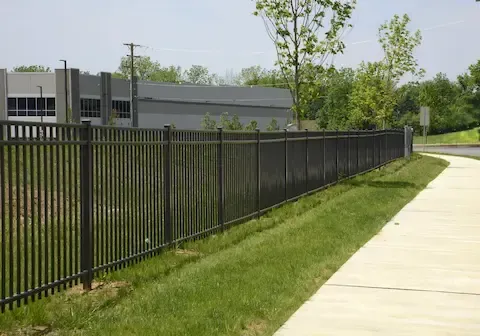
Hurricane-Ready Wrought Iron Gates Brownsville Texas
Brownsville sits squarely in one of the most wind-exposed corridors in the United States. The combination of Gulf proximity, flat coastal terrain, and a direct path for tropical systems makes Cameron County a high-stakes environment for any exterior structure — and wrought iron gates carry unique risks that homeowners and property managers need to understand before the next storm season arrives. A gate that looks solid on a calm afternoon can become a liability the moment sustained winds climb past 80 miles per hour.
Why Wrought Iron Performs Differently Than Other Gate Materials in High Wind
Wrought iron gates have an inherent advantage over solid wood or vinyl panels: the open lattice design allows wind to pass through rather than catching it like a sail. That permeability reduces the total wind load on the gate structure significantly. However, the benefit only holds when the gate's frame, hinges, post connections, and latch hardware are all engineered to handle what the open bars themselves are shedding. A lightweight ornamental iron gate with undersized hinges and a shallow-set post will still fail in a Category 1 hurricane regardless of how much air flows through the pickets.
The distinction that matters in Brownsville is between decorative wrought iron and structural wrought iron. Decorative gates use thinner bar stock — often 1/2-inch or 5/8-inch solid square stock — and are built primarily for aesthetics. Structural gates use heavier stock, larger frame tubing, and hardware rated for dynamic load. When you're selecting or upgrading a gate along the Texas Gulf Coast, that difference in material grade determines everything about how the gate behaves under wind pressure.
Post Setting Depth and Concrete Footings Along the Gulf Coast
The post is the most critical element in a hurricane-resistant gate installation. In Brownsville's sandy and clay-mixed soils, shallow footings are the leading cause of gate failure during tropical weather events. Standard residential installations often use 24-inch-deep concrete footings, which is insufficient for structures in Wind Zone III — the classification that covers most of the Rio Grande Valley and Cameron County specifically.
For a gate opening of six to eight feet, the anchor posts should be set in concrete footings reaching a minimum of 36 inches, and ideally 42 inches in exposed or beachside locations. The concrete diameter matters too: a 12-inch diameter footing column provides substantially more resistance to lateral rocking than an 8-inch column. If you're upgrading an existing gate, confirming current footing depth before storm season is worth the diagnostic effort. Posts that have shifted even slightly out of plumb are more vulnerable than they appear from the street.
Hinge Sizing and Placement for High-Wind Conditions
Undersized hinges are one of the most consistent failure points discovered after tropical systems move through the Brownsville area. A typical residential ornamental gate uses two hinges per leaf. For hurricane-rated performance, three-hinge configurations should be used on any gate panel taller than five feet. The hinges themselves need to be through-bolted — not just welded to a surface plate — with the bolt pattern distributed across the full height of the post collar.
Hinge material matters significantly in Brownsville's salt air environment. Galvanized steel hinges corrode faster than stainless steel alternatives, and corroded hinges lose both strength and flexibility. If your current gate uses standard black powder-coated hinges without stainless hardware, those should be inspected annually and replaced before visible rust penetrates the structural metal. Understanding the rust risk in coastal air gives you a fuller picture of why material selection and maintenance schedules interact directly with storm readiness.
Latch and Drop Rod Reinforcement
Gate latches fail in high wind for two reasons: they're either too light to hold the dynamic force of a swinging panel, or they open under vibration. Both problems are solvable with the right hardware. Heavy-duty drop bolt rods — floor-mounted pins that drop into a ground sleeve — are the most reliable primary closure for double gates in storm-prone areas. They prevent the gate from swinging open even when horizontal wind pressure forces the panels against the latch.
A single surface-mounted thumb latch is not adequate hurricane hardware. If your gate currently uses only a latch handle without a drop rod or secondary deadbolt, that's a straightforward upgrade that can be completed before storm season begins. Stainless steel drop rods with a minimum 3/4-inch diameter rod and a 4-inch-deep receiver sleeve offer the most reliable performance in the sandy soil conditions common across Brownsville neighborhoods.
Frame Bracing and Cross-Member Placement
Gate frames flex under lateral wind load. Without adequate cross-member bracing, the frame distorts over time — particularly at the corners — and eventually loses the geometry needed for the latch and hinges to function correctly. The most effective brace configuration for large wrought iron gate panels is a diagonal cross-member running from the top hinge corner to the bottom latch corner. This transfers wind-induced racking forces along the strongest diagonal axis of the frame.
For gates in Brownsville that serve as entry points to properties along Highway 48, FM 802, or the farmland parcels south of town where wind exposure is unobstructed, additional horizontal rails at mid-panel height can further reduce flex. Those mid-rails also distribute the force more evenly across all hinge points rather than concentrating stress at the top hinge.
Pre-Season Inspection Checklist for Brownsville Properties
The period between March and June is the practical window for gate inspection and upgrades before Gulf storm systems begin organizing. Walking through a basic structural review covers the following: check all hinge bolts for tightness and corrosion; test the latch mechanism under firm pressure to confirm it seats fully; observe the gate posts at ground level for any movement or heaving from soil moisture; look for frame distortion by checking whether the gate panel still hangs level; and confirm that powder coating or protective paint on all metal surfaces remains intact without cracking or peeling that could expose base metal to salt air.
If you're building new or replacing an aging system, working with a contractor familiar with Cameron County wind zone requirements ensures the installation meets both structural standards and local code. Professional Wrought Iron Fence Installation in Brownsville should always account for the coastal wind load classifications that apply to this specific region — not generic residential specifications designed for calmer inland conditions.
Planning Ahead for the Long Brownsville Storm Season
Storm preparedness in Brownsville is not a one-time project — it's an annual discipline. Wrought iron gates, when properly installed and maintained, are among the most durable entry systems available in a coastal environment. The open-bar design, heavy post anchorage, and corrosion-resistant hardware work together to create a structure that can outlast decades of Gulf weather cycles. But only when every component is selected and sized appropriately for the conditions specific to the lower Rio Grande Valley.
