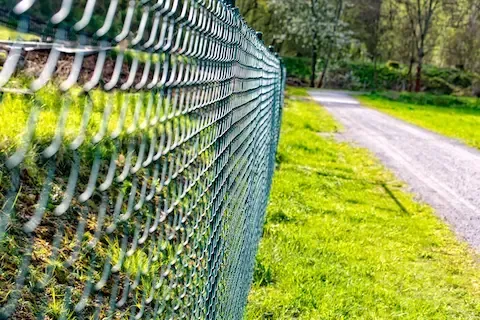
Chain Link Fence Installation Across Brownsville TX
Chain link fence installation provides property owners across Brownsville with durable, cost-effective perimeter security that withstands the region's coastal humidity and occasional severe weather. Professional installation ensures proper foundation preparation, accurate post spacing, and compliance with local building codes while maximizing the lifespan of your investment.
Understanding Chain Link Fence Components and Materials
Modern chain link fencing systems consist of several critical components that work together to create a secure, long-lasting barrier. The mesh fabric forms the primary barrier, available in galvanized steel or vinyl-coated options. Galvanized mesh offers superior corrosion resistance essential for Brownsville's humid climate, while vinyl-coated varieties provide enhanced aesthetics with color options including black, brown, and green.
Terminal posts anchor the fence system at corners, ends, and gate locations. These posts typically measure 2-3/8 inches in diameter with wall thickness ranging from 0.065 to 0.120 inches depending on fence height and local wind load requirements. Line posts, spaced 6-10 feet apart, maintain fabric alignment and provide intermediate support.
Top rail systems add structural integrity and finished appearance. Standard configurations include 1-5/8 inch galvanized pipe rail with appropriate fittings, though some installations specify larger diameter rails for enhanced strength. Rail caps prevent water intrusion while tension bands and carriage bolts secure the fabric to terminal posts.
Hardware components include tension bars, tie wires, hog rings, and gate hardware. Quality hardware selection directly impacts installation efficiency and long-term performance. Stainless steel or heavily galvanized components resist corrosion better than standard zinc-coated alternatives.
Site Preparation and Foundation Requirements
Proper site preparation begins with accurate property line verification through survey markers or professional boundary determination. Utility location services must clear the installation area before any excavation begins. This step prevents costly damage to underground utilities and ensures worker safety.
Soil conditions in Brownsville vary from clay-heavy compositions near the Rio Grande to sandier soils in elevated areas. Each soil type requires specific excavation and foundation approaches. Clay soils may require wider post holes with gravel drainage layers, while sandy conditions need deeper embedment for stability.
Grading considerations include drainage patterns, existing landscaping, and accessibility for installation equipment. Proper drainage prevents water pooling near posts, which can accelerate corrosion and compromise foundation stability. Minor grading adjustments may be necessary to achieve optimal fence alignment.
Foundation depth follows industry standards with modifications for local conditions. Terminal posts typically require embedment depths of 1/3 the above-ground height plus 6 inches, with minimum depths of 24 inches. Line posts need proportionally less depth but must account for soil conditions and fence height.
Post Setting and Concrete Requirements
Post setting methods depend on soil conditions, fence specifications, and local building requirements. Concrete setting provides maximum stability and longevity, particularly important for terminal and gate posts. Fast-setting concrete mixes expedite installation while providing adequate strength for most applications.
Proper concrete mixing ratios ensure optimal curing and strength development. Standard mixes combine one part cement with two parts sand and three parts gravel, though pre-mixed concrete products offer consistency and convenience. Water ratios must be precise to achieve specified strength without compromising workability.
Post alignment requires continuous monitoring throughout the setting process. String lines and transit levels maintain proper alignment while concrete cures. Temporary bracing may be necessary for taller fences or in windy conditions common to the Brownsville area.
Fabric Installation and Tensioning Techniques
Chain link fabric installation requires systematic approaches to achieve proper tension and alignment. Fabric rolls are positioned at starting terminal posts with tension bars inserted through the end links. These bars attach to terminal posts using carriage bolts and fittings specified for the fence height and gauge.
Unrolling technique affects final fence appearance and performance. Fabric should unroll naturally without forcing or twisting, which can create weak points or unsightly waves. Proper handling prevents damage to galvanized coatings that protect against corrosion.
Tensioning procedures follow manufacturer specifications and industry standards. Over-tensioning can distort the mesh pattern or damage the fabric, while insufficient tension creates sagging that compromises security and appearance. Come-along tools or specialized fence stretchers provide controlled tensioning force.
Attachment to line posts utilizes tie wires or hog rings spaced according to fence height and local wind conditions. Brownsville's occasional high winds from Gulf weather systems require secure attachment every 12-15 inches along line posts. Stainless steel or aluminum tie wires resist corrosion better than standard galvanized options.
Gate Integration and Hardware Installation
Gate installation demands precise measurements and heavy-duty hardware capable of supporting repetitive use and weather exposure. Gate posts require larger diameters and deeper foundations than standard terminal posts due to increased stress from gate operation.
Hinge selection considers gate size, frequency of use, and security requirements. Self-closing hinges benefit high-traffic applications, while security hinges with non-removable pins prevent unauthorized gate removal. All hardware should match or exceed the corrosion resistance of the fence system.
Latch mechanisms range from simple gravity latches for residential applications to heavy-duty locks for commercial security. Chain Link Fence Installation professionals ensure proper latch alignment and operation throughout the gate's expected service life.
Code Compliance and Permit Requirements
Local building codes in Brownsville address fence height limitations, setback requirements, and construction standards. Residential properties typically allow fences up to 6 feet in rear yards and 4 feet in front yards, though specific zoning may impose different restrictions.
Permit requirements vary by fence height, location, and property type. Most residential chain link installations under 6 feet do not require permits, but property owners should verify current requirements with the city building department. Commercial installations typically require permits regardless of height.
Setback requirements ensure fences remain within property boundaries while maintaining access for utilities and emergency services. Corner lot properties face additional visibility restrictions that may limit fence height near intersections.
HOA regulations may impose additional restrictions on fence materials, colors, or styles. Property owners in deed-restricted communities should review covenants before beginning installation to avoid costly modifications or removal requirements.
Wind Load and Structural Considerations
Brownsville's location along the Gulf Coast subjects fences to significant wind loads during tropical weather events. Proper engineering accounts for sustained winds and gusts that can stress fence systems beyond normal design parameters.
Post spacing adjustments may be necessary for enhanced wind resistance. Reduced spacing from 8 feet to 6 feet increases fabric support and reduces stress on individual posts. Terminal post reinforcement through deeper foundations or larger diameter posts provides additional system stability.
Fabric selection influences wind resistance characteristics. Smaller mesh openings create greater wind resistance but provide enhanced security. Larger openings reduce wind load but may compromise the security function depending on the application.
Common Installation Challenges and Solutions
Rocky or hard-packed soil conditions common in parts of Brownsville require specialized equipment for efficient post hole excavation. Hydraulic augers or pneumatic tools expedite excavation while maintaining proper hole dimensions. Pre-drilling or soil softening may be necessary in extreme conditions.
Slope management requires stepped or raked fence configurations to maintain consistent fabric height while following terrain changes. Stepped installations create uniform fence sections with level top rails, while raked installations follow the slope continuously. Each approach offers specific advantages depending on the application.
Existing landscaping integration requires careful planning to minimize disruption while achieving desired fence placement. Root systems from mature trees may interfere with post placement, requiring alternative post locations or specialized installation techniques.
Utility conflicts discovered during installation require immediate coordination with utility companies and potential design modifications. Professional installers maintain utility location records and coordinate with relevant agencies to resolve conflicts safely and efficiently.
Quality Control and Inspection Procedures
Systematic quality control throughout the installation process ensures compliance with specifications and industry standards. Post alignment verification using string lines and measuring tools identifies and corrects deviations before they compound throughout the fence system.
Fabric tension testing using calibrated gauges ensures consistent results across the entire installation. Proper tension prevents sagging while avoiding over-stress that can damage the mesh or posts. Documentation of tension readings provides reference for future maintenance needs.
Hardware inspection includes verification of torque specifications for all bolted connections. Loose hardware can lead to premature failure or security vulnerabilities. Final walk-through inspections identify any installation defects requiring correction before project completion.
Maintenance and Longevity Considerations
Chain link fence systems require minimal maintenance when properly installed with quality materials. Regular inspection schedules help identify potential issues before they require expensive repairs or compromise security function. Annual inspections should focus on post stability, fabric condition, and hardware integrity.
Corrosion prevention begins with material selection and continues through maintenance practices. Galvanized coatings provide excellent corrosion resistance but require protection from physical damage that exposes underlying steel. Touch-up paints or coatings can extend service life when applied promptly to damaged areas.
Vegetation management prevents damage from growing plants that can distort fence fabric or create climbing aids for unauthorized access. Regular trimming maintains clearance while preventing root systems from undermining post foundations.
Gate maintenance requires particular attention to hinges, latches, and closing mechanisms that experience frequent use. Lubrication schedules and hardware adjustment maintain smooth operation and extend component life. Our vinyl fence overview provides additional information about low-maintenance fencing alternatives for property owners seeking reduced upkeep requirements.
Professional Installation Benefits
Professional chain link fence installation ensures compliance with local codes, proper material selection, and installation techniques that maximize system performance and longevity. Experienced installers understand soil conditions throughout the Brownsville area and adjust techniques accordingly for optimal results.
Warranty protection provided by professional installers covers both materials and workmanship, providing property owners with recourse for installation defects or premature failures. Quality contractors maintain insurance coverage and proper licensing required for commercial installations.
Equipment and specialized tools available to professional installers enable efficient, high-quality installation that would be difficult for property owners to achieve independently. Professional-grade concrete mixers, hydraulic post drivers, and calibrated tensioning equipment ensure consistent results.
Project management capabilities include permit acquisition, utility coordination, and scheduling that minimizes disruption to property use. Professional installers maintain relationships with local inspectors and utility companies that expedite project completion while ensuring compliance with all applicable requirements.
